
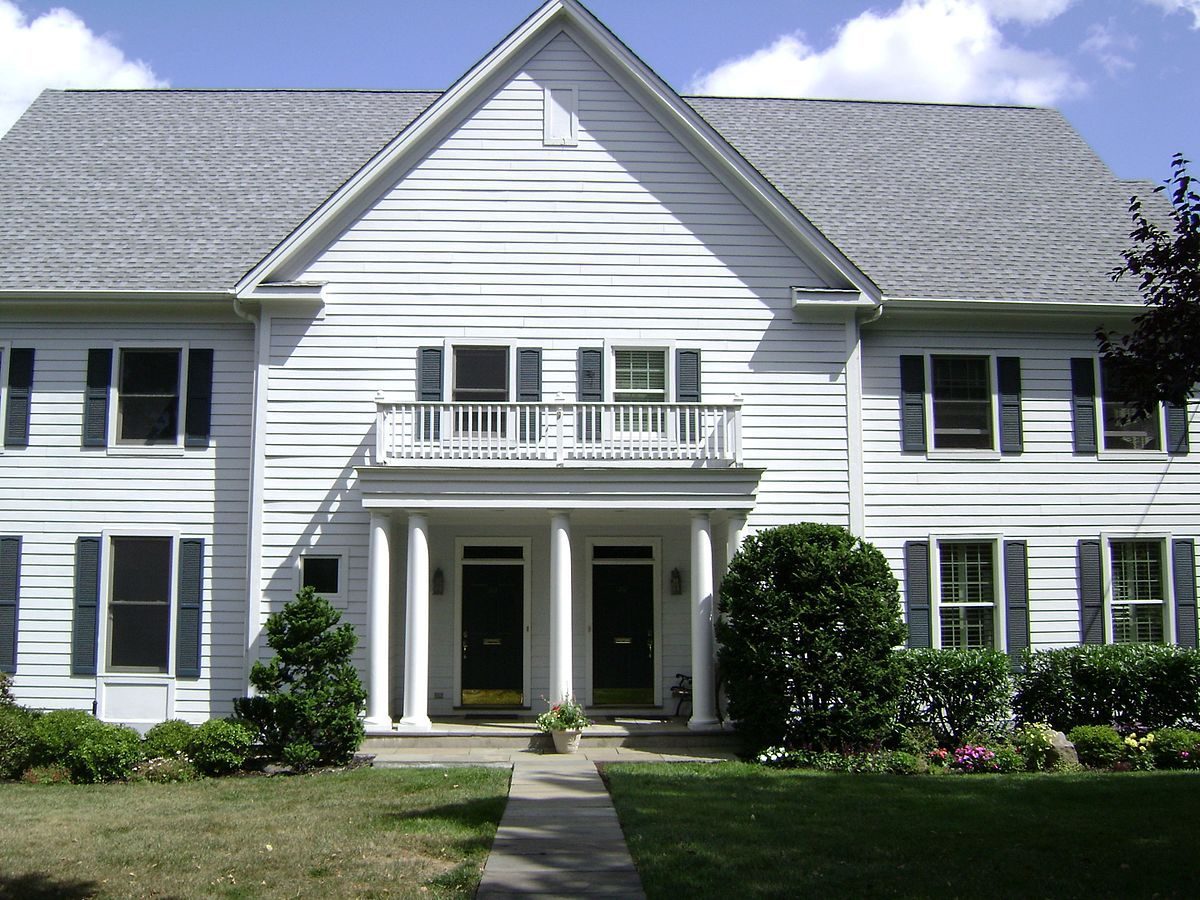
Shielding Historic Homes from Common Pest Problems
Owning a historic home feels like holding a piece of history. The unique architecture, the original hardwood floors, and the undeniable charm create an atmosphere that modern constructions simply cannot replicate. You are preserving a legacy for future generations to admire and enjoy.
However, that beautiful legacy often comes with a hidden challenge. Older buildings feature aging materials, settling foundations, and tiny structural gaps that developed over decades or even centuries. These characteristics make heritage properties incredibly appealing to a wide variety of pests looking for food, water, and shelter.
Understanding the specific vulnerabilities of your older house is the first step toward effective preservation. By learning to identify the most common pest problems in historic homes, you can take proactive measures to protect your property. This guide breaks down the usual suspects and offers practical strategies to keep your architectural treasure safe and pest-free.
Why Older Houses Attract Unwanted Guests
Time takes a toll on building materials. Over the decades, wood shrinks and swells, foundations shift, and roofing materials degrade. This natural aging process creates tiny entry points around windows, doors, pipes, and rooflines. A gap no larger than a dime is enough for a mouse to slip through, while insects need only a fraction of that space.
Additionally, older properties often lack the modern insulation, vapor barriers, and pest-resistant materials used in new construction. Basements and crawlspaces in heritage homes tend to hold excess moisture. This damp environment creates a perfect breeding ground for insects that thrive in humid conditions, turning your basement into a five-star resort for pests.
Wood-Destroying Insects
Powderpost Beetles
While termites get most of the attention, powderpost beetles are another major concern for antique wood. These insects lay their eggs in the pores of untreated wood. When the larvae hatch, they tunnel through the timber, reducing the inside to a fine, flour-like powder. If you notice small, round exit holes and tiny piles of sawdust near antique flooring or exposed beams, powderpost beetles are likely the culprits.
Rodents on the Run
Rodents are incredibly opportunistic creatures. The structural settling of an older building provides them with an open invitation to move in and start a family.
Mice and Rats
Mice and rats constantly seek warmth, shelter, and food. The gaps in fieldstone foundations, older brickwork, and deteriorated weather stripping give rodents easy access to your living spaces. Once inside, they cause significant damage by gnawing on wood, historical artifacts, and electrical wiring. This chewing behavior presents a serious fire hazard, especially considering the older, sometimes outdated electrical systems found in heritage properties. Furthermore, rodents leave behind droppings that can carry harmful diseases and contaminate the air quality of your home.
Sneaky Infiltrators: Ants and Cockroaches
Insects that forage for food find older properties highly accommodating due to the abundance of tiny cracks and hidden spaces.
Carpenter Ants
Unlike termites, carpenter ants do not actually eat wood. Instead, they excavate it to build their nests. They strongly prefer damp, decaying wood. If an older house has a leaky roof, poor drainage, or aging plumbing, the resulting water damage acts as a magnet for carpenter ants. They will hollow out the compromised wood, further weakening the structure of the house.
Cockroaches
Cockroaches are highly resilient pests that thrive in the dark, damp corners of older basements and crawlspaces. They squeeze through incredibly tight gaps around old plumbing fixtures and foundation cracks. Once established, a cockroach infestation spreads quickly, contaminating food sources and triggering allergies or asthma in residents.
How to Protect Your Heritage Property
Protecting a historic house requires a careful balance between modern pest control methods and historical preservation. You must address the root causes of infestations without damaging the original materials.
First, address any moisture issues immediately. Repair leaky pipes, ensure proper grading around the foundation to direct water away from the house, and use dehumidifiers in damp basements. Moisture control is highly effective at deterring termites, carpenter ants, and cockroaches.
Next, focus on exclusion techniques. Seal visible cracks and crevices around the foundation, windows, and doors using historically appropriate materials whenever possible. Install tight-fitting weather stripping and repair damaged screens. For larger gaps in foundations, consider using copper mesh, which mice and rats cannot chew through.
Finally, partner with a pest control professional who has specific experience working with historic properties. They know how to apply treatments safely without staining antique wood or damaging delicate masonry. Regular inspections by a qualified expert will help catch early signs of pest activity before significant damage occurs.
Frequently Asked Questions About Historic Home Pests
Do older homes have more bugs than new homes?
Older homes are generally more susceptible to bugs because of structural settling, wear and tear on sealing materials, and higher moisture levels in aging basements or crawlspaces. However, with proper maintenance and regular pest inspections, an older property can remain just as bug-free as a newly built house.
How do you treat termites in a historic home safely?
Treating termites in a historic property usually involves localized baiting systems or soil treatments applied carefully around the foundation. Fumigation is sometimes necessary for severe drywood termite infestations. Always hire an exterminator experienced with heritage buildings to ensure the treatment chemicals do not damage historical brickwork, original paint, or antique timber.
Can pests cause permanent structural damage?
Yes. Wood-destroying pests like termites, powderpost beetles, and carpenter ants can compromise the load-bearing beams and flooring of a building. If left unchecked, this damage requires extensive and costly structural repairs that can threaten the historical integrity of the property.
Preserving Your Piece of History
Maintaining an older property takes dedication, patience, and a proactive mindset. Pests view the unique characteristics of historic buildings as ideal living conditions, but you do not have to surrender your home to them.
By managing moisture levels, sealing structural gaps, and scheduling regular professional inspections, you can keep destructive insects and rodents at bay. Take the necessary steps today to secure your property. A well-protected home ensures that its historical charm and architectural beauty will continue to stand strong for many years to come.
Comments are closed.